



The Ultimate Guide to Pressure Gauge Meters Uses, Types, and How to Choose the Right One | Best Rates | Buying Guide | Detailed Tips | Maintenance | FAQ |
The Ultimate Guide to Pressure Gauge Meters: Uses, Types, and How to Choose the Right One
No matter if you're working with an assembly
factory, maintaining a mechanical system, or simply tracking air pressure in a
home HVAC system, a crucial device is a pressure gauge meter. Such devices help
you measure fluid or gas pressure so the equipment is safe and efficient to
run.
With all the models and options out there, though, how do you know which one to use for what you need? In this article, we're going to talk about:
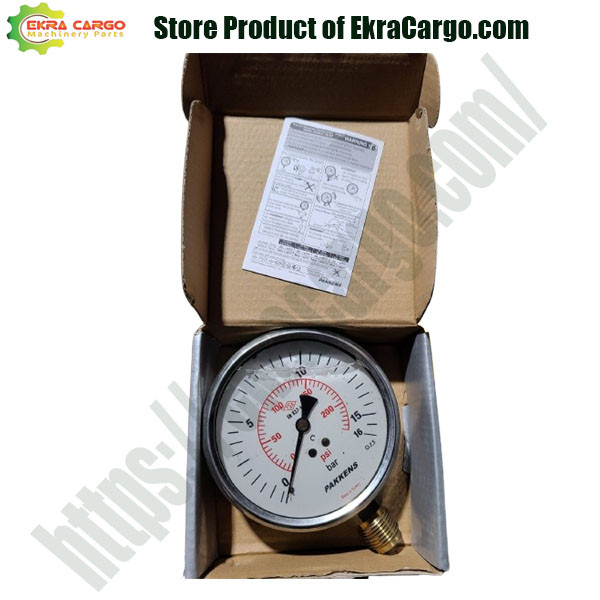
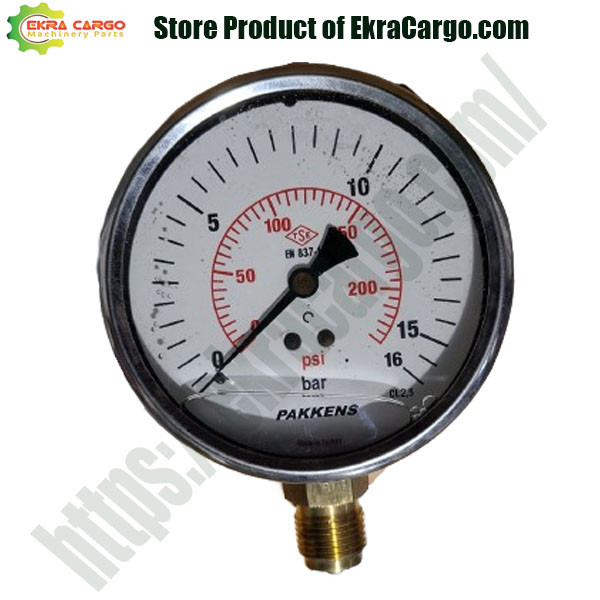
Check the product at Ekra Cargo
What is a pressure gauge meter?
Types of pressure gauge meters and their uses
Top-rated pressure gauge meters available in
the market
Advantages and disadvantages of each
How to select the appropriate one (how to buy)
Frequently asked questions regarding pressure
gauge meters
Let's begin!
What Is a Pressure Gauge Meter?
A pressure gauge meter is an electronic or
mechanical device that does measurements and gives indications of the pressure
of a fluid (gas or liquid) within a system. Pressure gauge meters are essential
in numerous industries including:
Manufacturing
Oil & Gas
HVAC systems
Automotive
Food and beverage processing
Water and sewage treatment
They provide safety against
over-pressurization-related accidents and enhance machinery for efficiency and
longevity.
Popular Types of Pressure Gauge Meters
1. Bourdon Tube Pressure Gauges
The most common usage. Use a coiled tube,
which on pressurization straightens out.
Ideal for: Industrial, hydraulic applications
Accuracy: ±1.6% to ±0.5%
2. Digital Pressure Gauges
Feature a digital display for easy viewing.
Typically have data logging and alarm as features.
Ideal for: Labs, HVAC, precision work
Accuracy: ±0.2% or better
3. Diaphragm Pressure Gauges
Use a flexible diaphragm and are ideal for
low-pressure service or corrosive fluids.
Best applicable to: Chemical plants,
pharmaceuticals, food processing
Accuracy: ±1.6% to ±0.5%
4. Capsule Pressure Gauges
Utilized for measuring low gas pressure.
Best applicable to: Ventilation systems, gas
pipelines
Accuracy: ±1.6%
Highly Recommended Pressure Gauge Meters
Some highly recommended models in different
classes are described below:
1. WIKA 213.53 Industrial Pressure Gauge
Type: Bourdon Tube
Range: 0-300 psi
Connection: 1/4" NPT bottom
Material: Stainless steel case, brass
internals
Advantages:
Shock and vibration resistant
Increased lifespan with glycerin fill
Heavy industrial application with reliability
Disadvantages:
Analog only, no digital readout
Slightly more expensive than introductory
models
2. Ashcroft 2089 Digital Pressure Gauge
Type: Digital
Range: 0–500 psi
Power: Battery-powered
Strengths:
Backlit LCD readout
High accuracy and reproducibility
Easy calibration
Weaknesses:
Requires battery replacement
Not designed for most demanding environments
3. Dwyer Magnehelic Differential Pressure
Gauge
Type: Capsule/Differential
Range: -0.5 to 0.5 inches WC
Application: Cleanrooms, filters, fan systems
Strengths:
Good low-pressure accuracy
No power needed (mechanical)
Heavy-duty construction
Weaknesses:
Only accurate with low-pressure gas
Will not operate with liquids
4. Winters PEM Series Economy Pressure Gauge
Model: Bourdon Tube
Range: 0–100 psi
Material: Black steel case, brass internals
Advantages:
Inexpensive
Simple and easy
Able to be found everywhere
Disadvantages:
Poor build quality
Not suitable for harsh media or rough
environment
Where Pressure Gauge Meters Are Used
Industrial Plants: Measure hydraulic and
pneumatic pressure in machines.
Oil & Gas: Ensure pipeline safety and
operational efficiency.
HVAC Systems: Manage airflow and refrigeration
systems.
Automotive: Tire and engine pressures.
Water Systems: Maintain constant pressure in
plumbing and irrigation.
Pressure Gauge Meter Buying Guide
When choosing the appropriate pressure gauge
meter, bear in mind the following:
1. Pressure Range
Choose a meter that has 25–50% more range than
your working maximum pressure to avoid damage due to overload.
2. Accuracy
In applications where accuracy is critical,
choose gauges that are ±0.25% to ±0.5% accurate.
For non-critical applications, ±1.6% would be
sufficient.
3. Connection Size and Mounting
Choose 1/4\\",\ 1/2\"""
NPT, BSP, or other connection fittings.
Mounting styles are bottom, rear, or panel
mount.
4. Media Compatibility
Use stainless steel or PTFE-lined interiors
for corrosive fluids.
Glycerin-filled gauges are better in vibrating
conditions.
5. Display Type
Analog: No batteries, sturdy, less costly
Digital: More precise, easier to use, but
needs power
6. Environmental Conditions
Consider ambient temperature, moisture
exposure, or corrosive environment.
IP-rated or hermetically sealed enclosures are
better.
Installation and Maintenance Tips
Always depressurize the system before removing
or installing a gauge.
Thread sealant needs to be used to prevent
leaks.
Calibrate your gauge regularly to maintain
accuracy.
Keep it in a cool, dry environment when not
being used.
Why You Should Choose Our Pressure Gauge Meter
If you are looking for a durable, accurate,
and budget-friendly pressure gauge, our model must be your option:
✅ Stainless steel build
✅ Wide pressure ranges options
✅ Glycerin-filled vibration resistance
✅ Affordable prices
✅ Secure local and international shipping
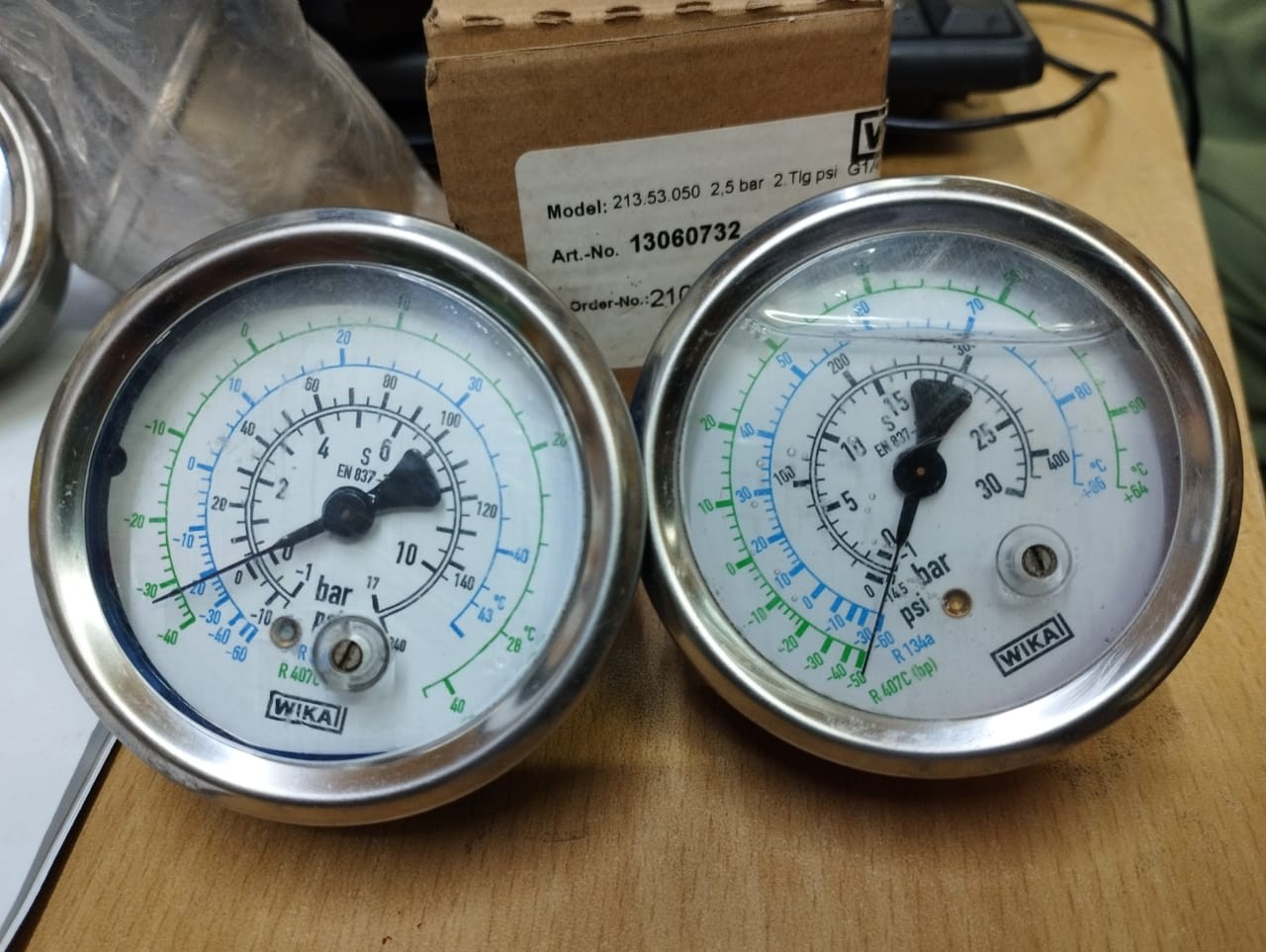
Our pressure gauge meters are utilized and
endorsed by HVAC, automotive, agricultural, and manufacturing professionals.
Whether you need a standard analog one or a digital high-accuracy model, you're
covered.
Frequently Asked Questions (FAQs)
1. Am I able to use the same pressure gauge
for gas and liquid?
Only if it can be used for both. Some gauges
would react chemically with gas or liquid. Refer to the specifications from the
manufacturer.
2. How frequently should I calibrate or
replace a pressure gauge?
Calibrate every 6–12 months for critical use.
Replace it when you see wear, inaccuracy, or damage.
3. What does glycerin-filled mean?
Dampens needle vibration and wear, extending
the life of the gauge—ideal for rugged environments.
4. Is a digital pressure gauge superior to
analog?
Digital types give you more accuracy and
readability but cost more and require power. Analog is simpler and tougher.
Final Words
Pressure gauge meter is a simple but important
device in maintaining operational reliability, safety, and efficiency in the majority
of industries. Proper selection of type, range, and design means a lot in
experiencing maximum performance and minimum risks.
If you are looking for a pressure gauge that
offers a balance of performance, durability, and price—stop here. Take a look
at what we have to offer and call our staff for inquiries or wholesale orders.
Order your Pressure Gauge Meter now and gain control over your system with certainty!


Ekracargo.com - Your trusted partner in industrial efficiency, providing a wide range of premium quality spare parts at competitive prices.
Contact Info
- Address: House 54 | Road 14 | Sector 14 | Uttara | Dhaka 1230 | Bangladesh
- Phone: Contact: +8801634736139,+8801789394669 (WhatsApp)
- Email: info@ekracargo.com
