



Microcentrifuges: Essential Tools for Precision in Small Sample Analysis
Understanding
Microcentrifuges: What Are They and Why Are They Important?
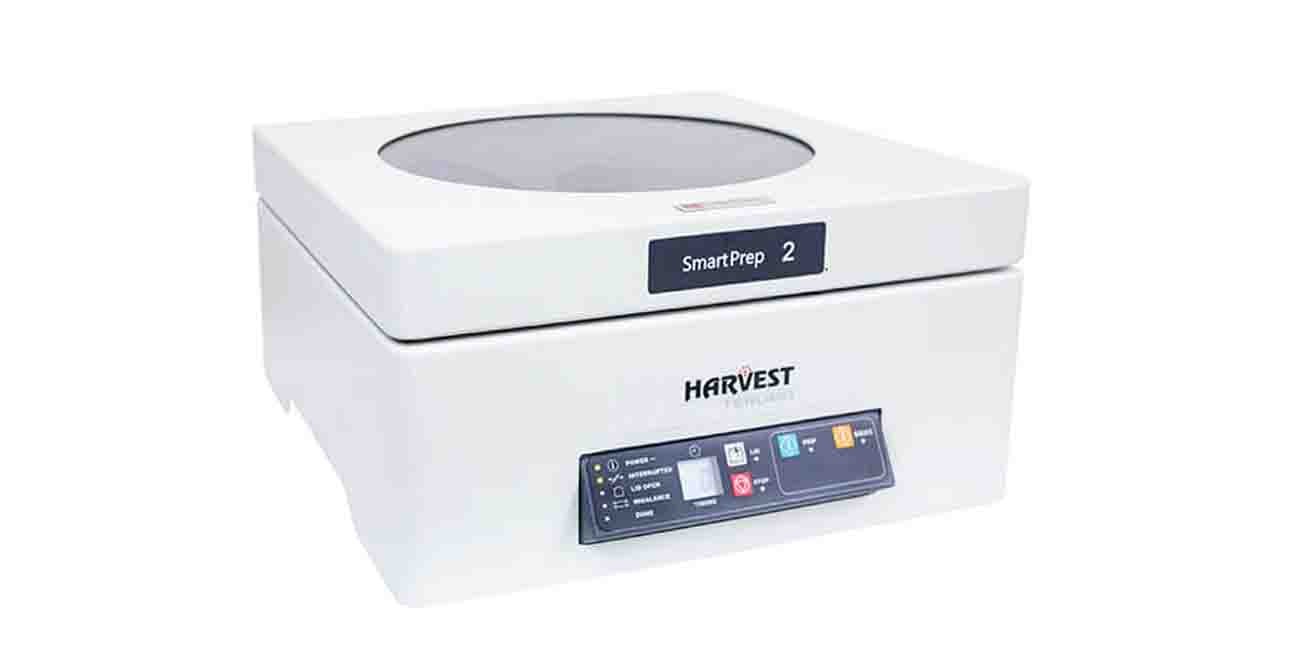
Microcentrifuges are essential lab
tools designed to spin small volumes of liquid samples, typically between 0.5
ml and 2 ml. Known for their compact size and precision, they play a vital role
in research and medical labs for tasks like DNA extraction, RNA analysis, and
protein studies. With the ability to reach high speeds, microcentrifuges allow
scientists to efficiently separate or precipitate substances from small
samples.
For top-quality microcentrifuge
options, explore Ekra Cargo’s collection
today.
What
is a Microcentrifuge?
A microcentrifuge is a laboratory
centrifuge optimized for handling small sample volumes. These machines are
indispensable in laboratories, particularly those focused on genetics,
molecular biology, biochemistry, and other areas requiring high-speed
separation of small sample sizes. Microcentrifuges enable rapid separation,
making processes like DNA extraction or sample purification much faster and
more effective.
How
Does a Microcentrifuge Work?
Microcentrifuges use centrifugal
force to spin samples at high speeds, separating components based on density.
When samples are spun, the denser particles move outward and settle at the
bottom of the microcentrifuge tubes, leaving lighter materials toward the top.
This process allows scientists to isolate and analyze specific elements within
the samples accurately.
Types
of Microcentrifuges
Microcentrifuges come in various
types to cater to specific applications:
- Standard Microcentrifuges
These are the most common and are used for general-purpose sample processing in research labs. They typically reach speeds up to 15,000 RPM, suitable for most laboratory tasks. - High-Speed Microcentrifuges
Designed for more demanding applications, high-speed models can reach up to 30,000 RPM. These are often used in molecular biology and biochemistry labs where rapid separation is essential. - Refrigerated Microcentrifuges
These models maintain low temperatures during operation, making them ideal for temperature-sensitive samples, like proteins and nucleic acids. Refrigerated microcentrifuges prevent degradation and ensure accurate results. - Compact Microcentrifuges
Smaller and more portable than standard models, compact microcentrifuges are useful in labs where space is limited. Despite their size, they offer sufficient speed and precision for routine tasks.
Key
Applications of Microcentrifuges
Microcentrifuges serve a range of
applications in scientific, medical, and industrial fields:
- DNA/RNA Extraction:
Microcentrifuges play a crucial role in genetic research, enabling the
isolation of DNA and RNA from biological samples.
- Protein Purification:
In proteomics, microcentrifuges help in purifying proteins by separating
them from other cellular materials.
- Cell Culture Processing: Microcentrifuges are used to separate cells from
growth media, which is essential in microbiology and cellular biology.
- Clinical Diagnostics:
Hospitals and clinics use microcentrifuges for small blood sample
separation, assisting in diagnostic processes.
- Sample Preparation:
Before analytical testing or other procedures, microcentrifuges help in
preparing samples by separating unwanted materials.
Benefits
of Using a Microcentrifuge
Microcentrifuges offer numerous
advantages that make them indispensable in many labs:
- Efficiency in Small-Sample Processing
Microcentrifuges are designed specifically for small sample volumes, providing quick and effective separation without the need for large quantities. - Compact and Space-Saving Design
With their compact size, microcentrifuges fit easily on lab benches and are portable enough for smaller or mobile labs. - Cost-Effective
Microcentrifuges are typically more affordable than larger models, making them a cost-effective choice for labs with limited budgets. - High Precision and Accuracy
High-speed capabilities allow for precise separation, ensuring accurate results for sensitive experiments and diagnostics. - Versatility Across Research Applications
Suitable for various fields, microcentrifuges are versatile tools, applicable to everything from DNA studies to medical diagnostics.
What
to Consider When Buying a Microcentrifuge
To select the right microcentrifuge,
it’s important to evaluate your specific needs and consider these factors:
- Speed (RPM)
For general tasks, a microcentrifuge with speeds of up to 15,000 RPM will suffice. However, for more demanding applications, look for models with higher speeds. - Capacity
Check the maximum number of tubes the microcentrifuge can hold and ensure compatibility with the tube sizes you commonly use, typically 1.5 ml or 2 ml tubes. - Temperature Control
For sensitive samples, a refrigerated microcentrifuge is recommended. Maintaining low temperatures prevents sample degradation, ensuring the accuracy of results. - Digital Control and Customization Options
Modern microcentrifuges often have digital displays and programmable settings, allowing for precise control over speed, time, and temperature. - Safety Features
Imbalance detection, lid locks, and automatic shut-off features are crucial for user safety, especially at high speeds. - Durability and Maintenance
Choose models with robust construction and easy maintenance requirements to ensure longevity and consistent performance.
Tips
for Maintaining Your Microcentrifuge
Proper maintenance of a microcentrifuge
ensures it continues to operate efficiently and has a longer lifespan:
- Regular Cleaning:
Clean the rotor and chamber regularly to prevent sample residue build-up.
- Balance the Tubes:
Always ensure tubes are balanced before operation to avoid strain on the
rotor.
- Inspect for Wear and Tear: Check components like seals and lids for any signs of
wear and replace them as needed.
- Calibrate Routinely:
Calibration ensures the centrifuge’s accuracy, so follow the
manufacturer's recommendations.
- Check the Temperature Setting: If your microcentrifuge is refrigerated, monitor the
temperature setting to avoid fluctuations that could affect sample
stability.
Why
Choose Ekra Cargo for Microcentrifuges?
At Ekra Cargo, we offer a range of high-quality
microcentrifuges designed for diverse laboratory needs. Whether you require a
standard model or a high-speed, refrigerated option, we provide reliable
machines tailored to meet scientific standards and ensure precision. With
expert support and competitive pricing, Ekra Cargo is your partner in finding
the right microcentrifuge for your research.
Conclusion
Microcentrifuges are essential for
labs that handle small-volume samples, enabling precise separation and
analysis. From DNA extraction to protein purification, these compact machines
support a range of applications in the scientific and medical fields. Choosing
the right microcentrifuge involves evaluating factors like speed, capacity,
temperature control, and safety features.
Discover the ideal microcentrifuge
for your laboratory at Ekra Cargo and invest in
reliable, high-performance equipment that meets your research needs.


Ekracargo.com - Your trusted partner in industrial efficiency, providing a wide range of premium quality spare parts at competitive prices.
Contact Info
- Address: House 54 | Road 14 | Sector 14 | Uttara | Dhaka 1230 | Bangladesh
- Phone: Contact: +8801634736139,+8801789394669 (WhatsApp)
- Email: info@ekracargo.com
