




The Ultimate Guide to Gas Pressure Regulators: Types, Uses, and Buying Tips | Best Rates | Buying Guide | Detailed Tips | Maintenance | FAQ |
The Ultimate Guide to Gas Pressure Regulators: Types, Uses, and Buying Tips
Introduction
Gas pressure regulators are essential components in
many residential, commercial, and industrial gas systems. They control and
maintain gas pressure, ensuring safe and efficient operation for appliances
like grills, heaters, and industrial machinery.
If you're in the market for a gas pressure regulator, this guide will help you understand the different types, key features, and top product recommendations. By the end, you'll know exactly what to look for when buying one.
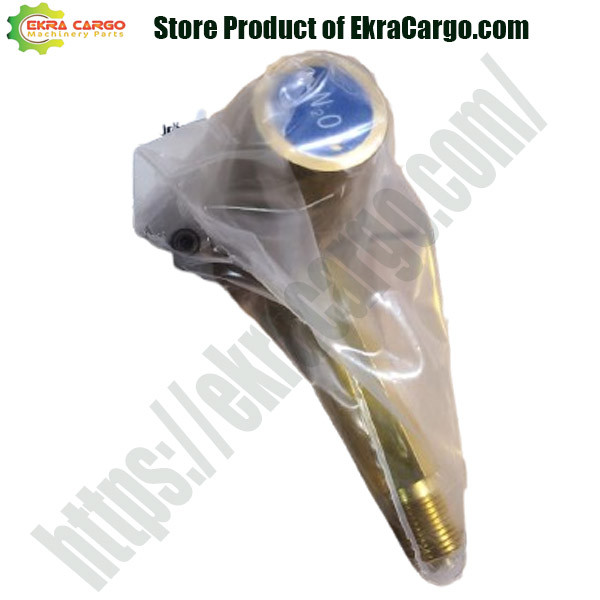
Check the product at Ekra Cargo
What Is a Gas Pressure Regulator?
A gas pressure regulator reduces high-pressure gas
from a cylinder or pipeline to a safe, usable level for appliances. It
maintains a steady output pressure, preventing damage to equipment and ensuring
safety.
Common Uses of Gas Pressure Regulators
·
Propane grills &
heaters
·
Industrial gas
systems
·
Medical gas
equipment
·
CNG/LPG vehicles
·
Welding &
cutting torches
Types of Gas Pressure Regulators
Different applications require specific types of
regulators. Here are the most common ones:
1. Single-Stage Regulators
·
Pros: Simple design, cost-effective, good for stable pressure
needs.
·
Cons: Less precise with fluctuating input pressure.
·
Best For: Residential grills, small heaters.
2. Two-Stage Regulators
·
Pros: More stable output, better for varying input pressures.
·
Cons: More expensive, bulkier.
·
Best For: Industrial and high-demand applications.
3. Adjustable Regulators
·
Pros: Customizable pressure settings.
·
Cons: Requires manual adjustment.
·
Best For: Welding, specialized equipment.
4. High-Pressure Regulators
·
Pros: Handles very high inlet pressures.
·
Cons: Not suitable for low-pressure appliances.
·
Best For: CNG vehicles, industrial gas systems.
Top 5 Gas Pressure Regulators – Reviews &
Recommendations
1. Mr. Heater Propane Regulator
✅ Pros:
·
Reliable for grills & heaters
·
Durable construction
·
Affordable
❌ Cons:
·
Not suitable for high-pressure applications
Best For: Residential propane use.
2. Marshall Excelsior MEGR-299 High-Pressure
Regulator
✅ Pros:
·
Industrial-grade durability
·
Handles up to 500 PSI
·
Precise control
❌ Cons:
·
Expensive
·
Heavy-duty, not for home use
Best For: Industrial and high-pressure systems.
3. GasOne Adjustable Propane Regulator
✅ Pros:
·
Adjustable output
·
Compatible with many appliances
·
Lightweight
❌ Cons:
·
Plastic components may wear over time
Best For: Camping stoves, portable heaters.
4. Fisher 627BR Gas Pressure Regulator
✅ Pros:
·
High accuracy
·
Reliable for natural gas
·
Robust build
❌ Cons:
·
Higher price point
Best For: Commercial and industrial gas systems.
5. BBQ Guru CyberQ Wifi-Enabled Regulator
✅ Pros:
·
Smart control via WiFi
·
Precision temperature management
·
Great for serious grillers
❌ Cons:
·
Expensive
·
Requires setup
Best For: Tech-savvy BBQ enthusiasts.
Buying Guide – How to Choose the Best Gas Pressure
Regulator
1. Determine Your Gas Type
·
Propane (LPG)
·
Natural Gas
·
Butane
·
Specialty gases (Argon, Oxygen, etc.)
2. Check Pressure Requirements
·
Inlet Pressure: The pressure from your gas source.
·
Outlet Pressure: The pressure your appliance needs.
3. Consider Flow Rate (BTU Rating)
·
Higher BTU appliances need regulators with greater
flow capacity.
4. Material & Durability
·
Brass: Corrosion-resistant, long-lasting.
·
Aluminum: Lightweight but less durable.
·
Stainless Steel: Best for harsh environments.
5. Safety Features
·
Overpressure protection
·
Built-in shutoff valves
·
Thermal relief valves
Installation & Maintenance Tips
·
Always follow the manufacturer’s instructions.
·
Check for leaks using soapy water.
·
Replace regulators every 5-10 years (or if damaged).
·
Store in a dry, corrosion-free environment.
Frequently Asked Questions (FAQs)
Q: How do I know if my gas regulator is failing?
A: Signs include irregular flame, hissing noises, or
gas leaks.
Q: Can I use a propane regulator for natural gas?
A: No, they are designed for different pressures.
Always use the correct regulator.
Q: What’s the average lifespan of a gas regulator?
A: Typically 5-10 years, depending on usage and maintenance.
Final Thoughts
Choosing the right gas pressure regulator is
crucial for safety and performance. Whether you need one for grilling, heating,
or industrial use, this guide helps you make an informed decision.
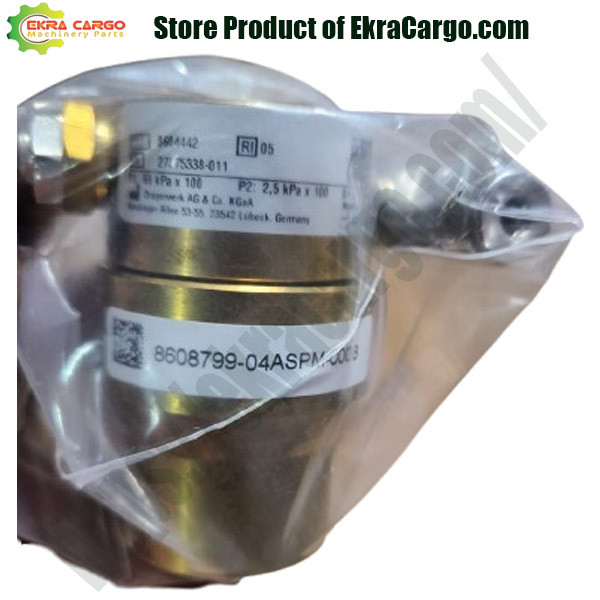
Looking for a high-quality regulator? Check out our top-rated selection here By understanding the types, features, and best products available, you can ensure optimal gas flow and safety for your applications.


Ekracargo.com - Your trusted partner in industrial efficiency, providing a wide range of premium quality spare parts at competitive prices.
Contact Info
- Address: House 54 | Road 14 | Sector 14 | Uttara | Dhaka 1230 | Bangladesh
- Phone: Contact: +8801634736139,+8801789394669 (WhatsApp)
- Email: info@ekracargo.com
