



The Ultimate Guide to Cylinder Valves Types, Applications & Best Buys | Best Rates | Buying Guide | Detailed Tips | Maintenance | FAQ |
The Ultimate Guide to Cylinder Valves: Types, Applications & Best Buys
Cylinder valves are critical components in various industries, from healthcare and welding to food processing and energy. Whether you're managing gas storage for industrial use or simply need a reliable valve for a commercial system, choosing the right cylinder valve is essential for safety, efficiency, and performance.

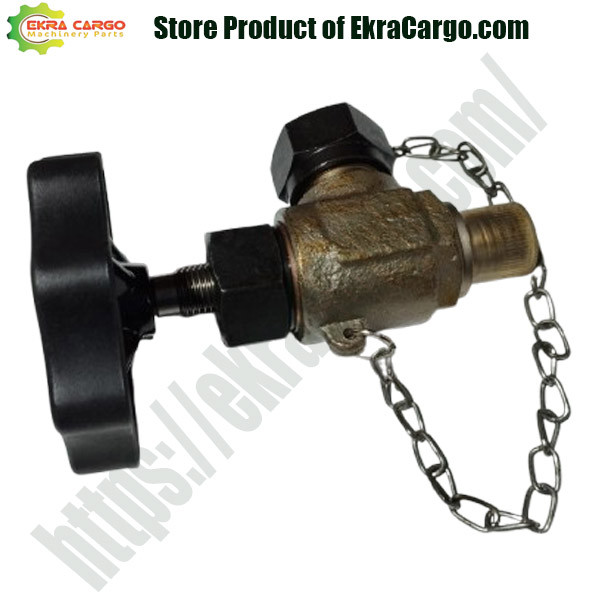
Check the product at Ekra Cargo
In this guide, we'll explore what cylinder valves are, their key applications, how to choose the best one, and top product recommendations to help you make an informed purchase.
What is a Cylinder Valve?
A cylinder valve is a device fitted to the
top of a gas cylinder that allows for controlled release, shut-off, or
regulation of the pressurized gas inside. These valves serve as a gateway
between the gas stored inside the cylinder and the equipment it's meant to
power or supply.
Cylinder valves
are commonly used with gases like oxygen, nitrogen, argon, helium, carbon
dioxide, acetylene, and various industrial mixtures.
Types of Cylinder Valves
Choosing the
right type of valve depends on the type of gas, application, and safety
requirements. Here are the most common types:
1. Manual Cylinder Valves
·
Operated by
turning a handwheel or knob.
·
Ideal for
low-frequency gas use.
·
Common in
laboratories and small industrial applications.
2. Automatic Shut-off Valves
·
Automatically
stop gas flow during pressure drops or emergencies.
·
Used in high-risk
environments for safety.
3. Pressure Relief Valves
·
Designed to
release gas when pressure exceeds safe limits.
·
Prevent
explosions or gas leaks in high-pressure systems.
4. Needle Valves
·
Offer precise
flow control.
·
Useful in
applications requiring exact gas measurements.
5. Ball Valves
·
Simple on/off
mechanism.
·
Popular in
general-purpose applications due to their durability.
Common Applications of Cylinder
Valves
Cylinder valves
play a pivotal role in multiple industries:
|
Industry |
Use Case |
|
Healthcare |
Medical oxygen delivery, anesthesia systems |
|
Welding & Fabrication |
Controlling gas mix for cutting/welding |
|
Food & Beverage |
CO₂
distribution in carbonated drink systems |
|
Oil & Gas |
Gas flow regulation in extraction processes |
|
Laboratories |
Controlled gas dispensing in experiments |
|
Fire Suppression |
Activation of gas-based fire systems |
Key Factors to Consider Before
Buying a Cylinder Valve
1. Gas Compatibility
Not all valves
are suitable for every type of gas. Ensure the valve materials (brass,
stainless steel, etc.) are compatible with the gas type.
2. Pressure Rating
Check the
valve’s maximum pressure rating. Always choose a valve rated higher than your
cylinder’s pressure.
3. Valve Connection Type
Different
applications may require specific threading standards (e.g., BSP, NPT, CGA
connections).
4. Material and Durability
·
Brass valves: Great for non-corrosive gases.
·
Stainless steel valves: Best for corrosive or high-pressure gases.
5. Safety Features
Look for
built-in pressure relief or check valves that prevent backflow.
6. Certifications
Ensure the
valve complies with industry safety standards such as ISO, DOT, or CE
certification.
Best Cylinder Valves to Buy
(Product Recommendations)
1. Industrial Brass Cylinder Valve – Model
BRV-200
Description: Heavy-duty valve made from corrosion-resistant brass, perfect for
non-reactive gases like nitrogen, oxygen, or helium.
Pros:
·
Compatible with
multiple gases
·
Cost-effective
·
Durable for
industrial environments
Cons:
·
Not ideal for
highly reactive or corrosive gases
Best For:
Welding shops, general industry, labs
Price Range: $30–$45
⚙️ 2. Stainless Steel High-Pressure Valve – Model
SS-HP350
Description: Designed for high-pressure applications up to 350 bar, this valve is
ideal for reactive gases or harsh environments.
Pros:
·
High pressure
tolerance
·
Excellent
resistance to corrosion
·
Long service life
Cons:
·
More expensive
·
Requires
compatible fittings
Best For:
Oil & gas, chemical plants, marine use
Price Range: $70–$90
✅ 3. Medical Oxygen Cylinder Valve – Model
MED-OX100
Description: Specifically designed for oxygen use in hospitals and ambulances.
Easy to operate and meets all medical safety standards.
Pros:
·
Lightweight and
portable
·
ISO and CE
certified
·
Quick shut-off
mechanism
Cons:
·
Limited to oxygen
gas
·
Lower pressure
tolerance
Best For:
Hospitals, ambulances, home healthcare
Price Range: $40–$60
4. Auto Shut-off Valve with Safety Lock – Model AUTO-SAFEX
Description: Automatically shuts off gas flow in case of leakage or abnormal
pressure fluctuations.
Pros:
·
Excellent for
safety-critical environments
·
Comes with a
lockout feature
·
Visual pressure
indicator
Cons:
·
Complex
installation
·
Not suited for
low-budget projects
Best For:
High-security facilities, chemical labs
Price Range: $85–$110
Cylinder Valve Buying Guide:
Step-by-Step
1. Identify Your Gas
Type
o Check cylinder label or consult your gas supplier.
2. Determine
Application Needs
o Are you regulating flow, releasing pressure, or simply
opening/closing?
3. Select a Suitable
Material
o Use stainless steel for aggressive gases; brass for
standard use.
4. Verify Safety
Features
o Especially important in high-pressure or flammable gas
environments.
5. Check Valve
Certification
o Ensure the product meets your regional compliance
standards.
6. Read Product
Reviews
o Insights from users can highlight real-world pros and
cons.
Maintenance Tips for Cylinder
Valves
·
Regular Inspection: Check for cracks, wear, or leaks.
·
Clean Often: Especially the threading area; dust or corrosion can impact
performance.
·
Store Properly: Keep cylinders upright and in cool, dry places.
·
Never Lubricate: Especially oxygen valves – oil or grease can ignite!
Why a Quality Cylinder Valve
Matters
·
Safety:
Prevent leaks and potential explosions.
·
Efficiency:
Maintain consistent flow rate and pressure.
·
Longevity:
Reduce need for replacements and downtime.
·
Regulatory Compliance: Avoid fines or failed inspections.

Check product at Ekra Cargo
Final Thoughts
Cylinder valves
may seem like a small component, but their importance can't be overstated. The
right valve can protect your equipment, ensure consistent gas flow, and
safeguard lives.
Whether you're
working in a high-stakes industrial environment or managing a medical facility,
understanding your needs and choosing the right cylinder valve is key.
Ready to Buy a Reliable Cylinder
Valve?
Browse our premium collection of industrial,
medical, and high-pressure cylinder valves here. All our
valves are tested, certified, and ready for immediate dispatch.
Have questions? Contact our valve specialists today!
FAQs
Q1: How do I know if my valve needs replacing?
If you notice gas leakage, difficulty turning the knob, or visible corrosion,
it's time for a replacement.
Q2: Can I use one valve for different gases?
Only if the valve is rated and certified for multi-gas use. Always consult
product specs.
Q3: Are there valves that work automatically?
Yes, auto shut-off valves are available and recommended for safety-critical
applications.
Q4: What’s the most durable material for cylinder
valves?
Stainless steel is the most durable, especially for high-pressure or corrosive
gas use.


Ekracargo.com - Your trusted partner in industrial efficiency, providing a wide range of premium quality spare parts at competitive prices.
Contact Info
- Address: House 54 | Road 14 | Sector 14 | Uttara | Dhaka 1230 | Bangladesh
- Phone: Contact: +8801634736139,+8801789394669 (WhatsApp)
- Email: info@ekracargo.com
